

The Digital Shift in Investment
The old school playbook of long holds, annual portfolio reviews, and gut check decision making is getting phased out. Too slow. Too static. In 2024, traditional investing models are being overhauled by speed, data, and code. Real time data feeds are replacing quarterly reports. Algorithmic models are scanning markets 24/7, absorbing everything from macroeconomic shifts to social media sentiment. And investors especially younger ones expect platforms that move as fast as they think.
It’s not just about access to better tools. It’s how they’re used. Tech savvy investors don’t just get insights quicker they act on them faster. That agility creates a widening gap in performance between those who adapt and those who hesitate. The expectations around investment are evolving: quick pivots, constant learning, and the ability to trust both data and smart automation. Those still waiting for their advisor to return a call? They’re already behind.
AI and Predictive Analytics
AI isn’t just a buzzword it’s now a core engine behind smarter investing. Across hedge funds, retail platforms, and wealth management firms, machine learning algorithms are being used to assess market sentiment, forecast trends, and flag risks at speeds humans can’t match. Whether it’s recognizing patterns in millions of data points or reacting to news before the headlines finish printing, AI is taking much of the guesswork out of decision making.
Unlike traditional models that rely on backward looking data, AI lets investors operate with real time inputs. That means better portfolio optimization: allocations that adjust as markets shift, sectors heat up, or inflation erodes earnings. It also means fewer blind spots. AI scrapes earnings calls, social media chatter, and global news in one sweep and acts accordingly.
Still, the goal isn’t handing over full control. It’s about augmentation. The smart money knows that AI is a tool not a replacement. Creative judgment, long term vision, and disciplined risk management still matter. But if you’re not using AI to help steer the strategy, you’re already behind.
For a deeper dive into AI investment tactics, check out AI investment strategies.
Rise of Automated Portfolio Management
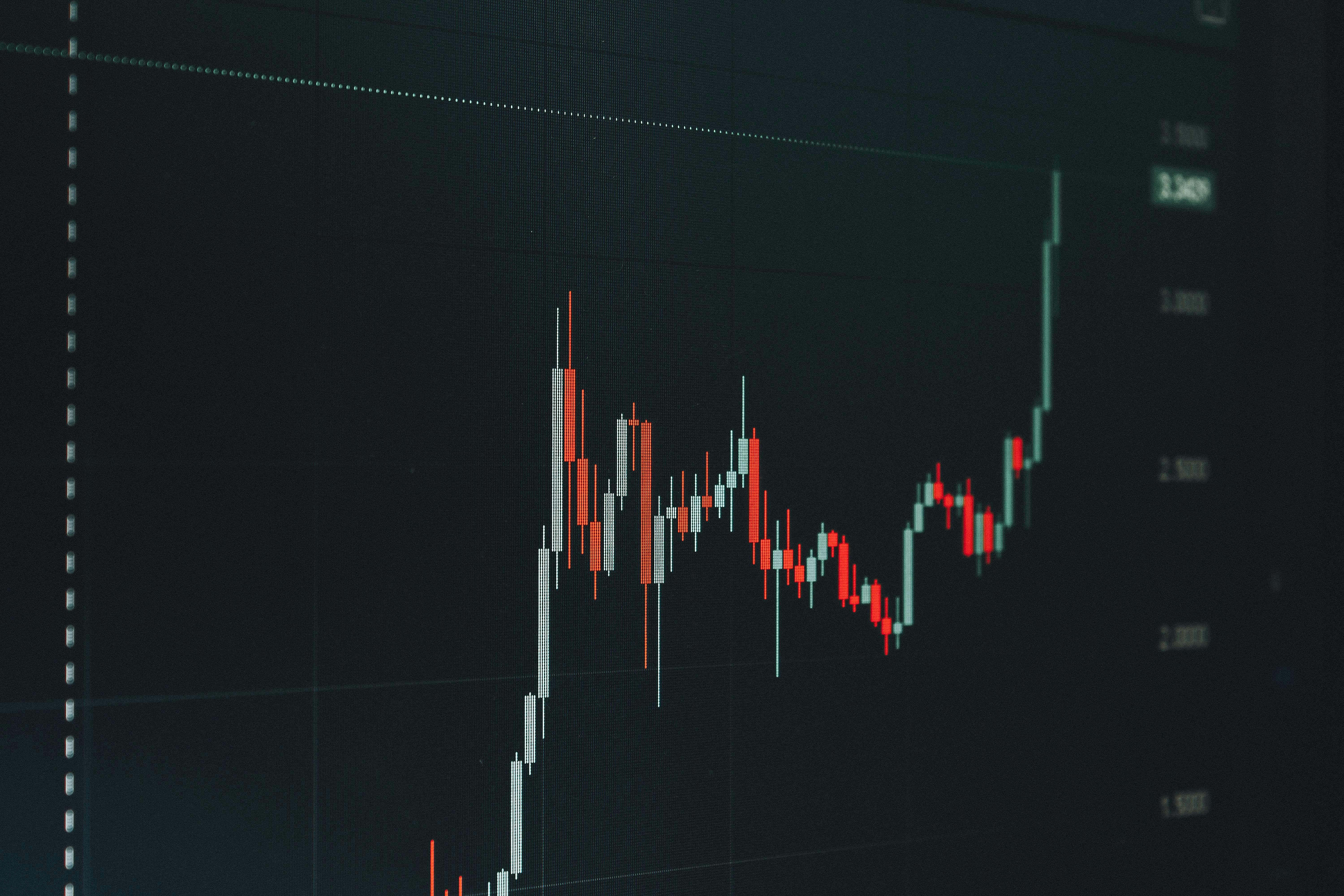
Robo Advisors: No Longer Just for Beginners
Once considered entry level tools for novice investors, robo advisors have matured into robust platforms capable of managing complex portfolios. Their evolution reflects their ability to:
Automatically assess risk tolerance and adjust portfolios accordingly
Handle complex rebalancing and tax loss harvesting
Provide access to diversified assets with minimal human intervention
These platforms now serve investors at every level from first timers to seasoned strategists by offering low cost, algorithmically managed portfolios built around individual goals.
Key Advantages of Automation
Automated investing continues growing in popularity thanks to its emphasis on consistency, efficiency, and accessibility:
Cost Efficiency: Lower fees than traditional wealth management options, with many platforms offering tiered pricing models
Accessibility: 24/7 access via apps and online interfaces, unlocking investing tools for a broader audience
Emotion Free Execution: Automated trades help avoid panic driven decisions and behavioral biases
These features make automation not only practical but also powerful in reducing friction across the entire investment process.
Hybrid Models: The Best of Both Worlds
Many platforms are now introducing hybrid advisory models. These blend the analytical power of algorithms with the nuance of human financial insight:
Human experts provide guidance on estate planning, life milestones, and nuanced market dynamics
Algorithms handle the heavy lifting rebalancing, fees, and strategic tax placements
Investors receive both personalized support and scalable automation
Hybrid solutions represent the future of portfolio management offering sophisticated capabilities without sacrificing the human touch.
Blockchain and Decentralized Finance (DeFi)
What used to be dismissed as fringe tech is now pulling serious institutional weight. Digital assets like stablecoins, tokenized real estate, and on chain credit markets aren’t just tech experiments anymore they’re portfolio components for major investors. Asset managers are building positions in decentralized protocols the same way they once approached emerging market ETFs.
Smart contracts are leading the charge in efficiency. They shave off layers of middlemen, reduce processing time, and cut through the type of errors that slow down traditional finance. With transparency coded into every transaction, trust shifts from counterparties to code. That’s a major gain for ledger clarity and operational speed.
But the revolution isn’t friction free. Regulation remains a gray zone. Compliance is still catching up with innovation and there’s a constant push pull between decentralization and institutional oversight. Still, the writing’s on the wall: whether it’s yield farming, digital bonds, or NFTs with utility, DeFi is scaling from crypto native playground to real world asset class.
Diversified portfolios are changing because of it and the wave isn’t over. If anything, it’s getting organized.
Data Driven Personalization
Today’s investors aren’t just chasing returns they’re asking harder questions. How does this portfolio align with my values? What’s my real risk appetite? Does this help me retire at 60, or fund my startup in 5 years? Investment strategies are getting personal, and tech is making that possible at scale.
Platforms powered by machine learning and big data can now tailor portfolios with an uncanny level of precision. Everything from your lifestyle habits to your carbon footprint preferences can feed into the models. ESG screening once a premium feature is increasingly built in. AI scans reams of company level data to evaluate environmental, social, and governance performance in near real time.
What used to take an expensive advisor days to do, algorithms can now achieve in seconds. Still, the key isn’t just speed. It’s alignment. Investors are demanding portfolios that reflect who they are, not just where they want to end up. And that shift is changing the definition of performance itself.
Keeping a Competitive Edge
Information moves fast. The difference between staying ahead and falling behind often comes down to how quickly you adapt. In today’s investment world, being informed isn’t just good practice it’s strategic survival.
Investors who actively track emerging tech are taking deliberate steps to bulletproof their portfolios. Whether it’s adopting real time data tools, testing new asset classes, or using AI powered insights to fine tune decisions, they’re not waiting around. They’re building portfolios that are lean, responsive, and able to pivot with the market not after it.
In short: tech isn’t something to fear it’s something to use. Stay sharp, stay current, and you’ll stay relevant.
For more on future proofing your strategy, check out AI investment strategies.

 Xyphos Drevayne is the kind of writer who genuinely cannot publish something without checking it twice. Maybe three times. They came to market analysis and reports through years of hands-on work rather than theory, which means the things they writes about — Market Analysis and Reports, Entrepreneurship Strategies, Financial Planning Essentials, among other areas — are things they has actually tested, questioned, and revised opinions on more than once.
That shows in the work. Xyphos's pieces tend to go a level deeper than most. Not in a way that becomes unreadable, but in a way that makes you realize you'd been missing something important. They has a habit of finding the detail that everybody else glosses over and making it the center of the story — which sounds simple, but takes a rare combination of curiosity and patience to pull off consistently. The writing never feels rushed. It feels like someone who sat with the subject long enough to actually understand it.
Outside of specific topics, what Xyphos cares about most is whether the reader walks away with something useful. Not impressed. Not entertained. Useful. That's a harder bar to clear than it sounds, and they clears it more often than not — which is why readers tend to remember Xyphos's articles long after they've forgotten the headline.
Xyphos Drevayne is the kind of writer who genuinely cannot publish something without checking it twice. Maybe three times. They came to market analysis and reports through years of hands-on work rather than theory, which means the things they writes about — Market Analysis and Reports, Entrepreneurship Strategies, Financial Planning Essentials, among other areas — are things they has actually tested, questioned, and revised opinions on more than once.
That shows in the work. Xyphos's pieces tend to go a level deeper than most. Not in a way that becomes unreadable, but in a way that makes you realize you'd been missing something important. They has a habit of finding the detail that everybody else glosses over and making it the center of the story — which sounds simple, but takes a rare combination of curiosity and patience to pull off consistently. The writing never feels rushed. It feels like someone who sat with the subject long enough to actually understand it.
Outside of specific topics, what Xyphos cares about most is whether the reader walks away with something useful. Not impressed. Not entertained. Useful. That's a harder bar to clear than it sounds, and they clears it more often than not — which is why readers tend to remember Xyphos's articles long after they've forgotten the headline.