
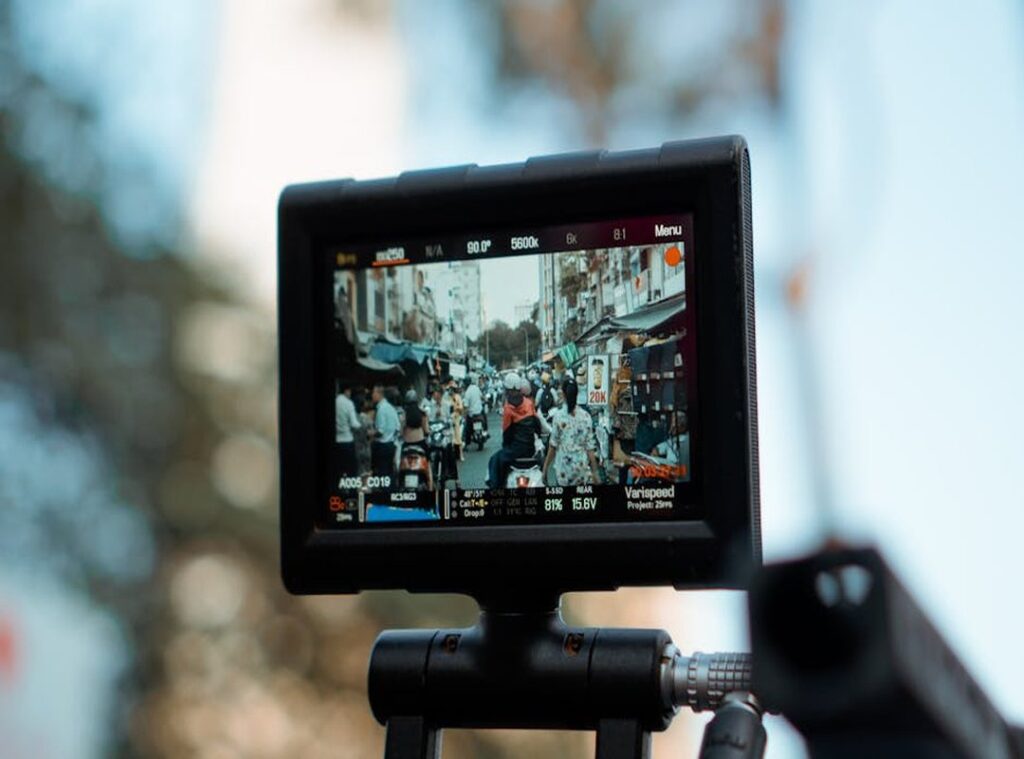
Live webcam streaming is a big deal. It’s everywhere, from social media to professional broadcasts. But let’s be real, it can be confusing.
You might wonder, which platform should I use? Is it even safe, and don’t worry, I get it.
onscreen cam4 is just one of many options out there. But how do you choose the right one? This article will help you understand the technology, pick the best tools, and stay secure.
We’ll cover everything from setting up your stream to making sure your content is protected. No fluff, just practical advice.
So, if you’re ready to dive in and make the most of live webcam streaming, keep reading.
Understanding Live Webcam Streaming
What is live webcam streaming? It’s when you broadcast video in real-time over the internet. Simple, right?
But it’s a big deal. People use it for everything from staying connected with friends to running their businesses.
Key Components
You need a few things to get started. First, a decent camera. Your laptop’s built-in one might work, but a dedicated webcam is better.
Next, software. There are free and paid options out there. Finally, a stable internet connection.
Without that, your stream will be choppy and frustrating.
Use Cases
Personal vlogging is huge. You can share your life, thoughts, and experiences with an audience. Gamers love it too.
They stream their gameplay on platforms like onscreen cam4 and Twitch.
Professional broadcasting is another big area. News outlets, sports events, and even corporate webinars use live streaming to reach a wider audience. Remote work has also embraced it.
Virtual meetings and training sessions are now the norm.
So, what should you do? If you’re just starting, invest in a good webcam and a reliable internet plan. For software, try something user-friendly first.
OBS Studio is a popular choice. And if you’re serious about it, consider a paid service for more features.
Live streaming is here to stay. Embrace it, and you’ll open up new opportunities.
Choosing the Right Equipment
When it comes to webcams, you’ve got a few options. There are basic models that get the job done, and then there are high-end ones with all the bells and whistles.
- Basic Webcams: These are usually under $50 and offer decent video quality. They’re great for casual use.
- High-End Webcams: These can cost upwards of $100 and come with features like 4K resolution, auto-focus, and better low-light performance.
Good audio is crucial. A bad microphone can make you sound muffled or distant.
- USB Microphones: These are plug-and-play and work well for most people. Brands like Blue Yeti and Rode NT-USB are popular.
- Lavalier Mics: If you move around a lot, a lavalier mic can be a good choice. They clip onto your shirt and pick up your voice clearly.
Lighting can make or break your video setup.
- Natural Light: Whenever possible, use natural light. Position yourself facing a window to get a soft, flattering look.
- Ring Lights: For more controlled lighting, ring lights are a great option. They provide even, shadow-free illumination.
- Softbox Lights: If you want a professional setup, softbox lights give you the best control over the light direction and intensity.
Pro tip: Test your setup in different lighting conditions to see what works best for you.
Setting up proper lighting doesn’t have to be complicated. Start with what you have, and gradually add more as needed.
Oh, and if you’re using onscreen cam4, make sure your background is clean and uncluttered. It makes a big difference in how professional you look.
Selecting the Best Software and Platforms
Streaming Software
When it comes to streaming software, you’ve got a few solid options. OBS Studio is a favorite for its flexibility and customization. It’s open-source and free, which is a big plus.
Streamlabs is another great choice, especially if you’re just starting out. It’s user-friendly and has built-in features like alerts and chat integration. XSplit is also popular, particularly for its robust scene management and professional-grade tools.
Streaming Platforms
Now, let’s talk about where to stream. YouTube is a powerhouse with a massive audience. It’s great for long-term content and building a brand.
Twitch is the go-to for live gaming and interactive streams. The community there is incredibly engaged. Facebook Live is another option, especially if you already have a following on the platform.
It’s easy to reach your existing audience and get immediate feedback.
Integration Tips
Once you’ve picked your software and platform, the key is to make them work together seamlessly. First, make sure your software supports the platform you’re using. OBS, Streamlabs, and XSplit all integrate well with YouTube, Twitch, and Facebook Live.
Next, set up your stream settings in the software to match the platform’s requirements. This usually involves adjusting the resolution, bitrate, and other technical details. Finally, test your setup before going live.
A quick test stream can save you from a lot of headaches.
- Choose your streaming software based on your needs: OBS for flexibility, Streamlabs for ease, or XSplit for professional features.
- Select a platform that aligns with your goals: YouTube for broad reach, Twitch for a gaming community, or Facebook Live for an existing audience.
- Integrate your software and platform by matching settings and testing your setup.
If you’re looking to scale your operations without losing quality, check out top strategies for scaling operations without losing quality. It’s a must-read for anyone serious about growing their streaming presence.
Setting Up Your Live Stream
Before you hit that “go live” button, make sure everything is set up right. Trust me, the last thing you want is to start streaming and realize something’s not working.
Pre-Stream Checklist
- Check your internet connection. A stable, high-speed connection is a must.
- Test your microphone and camera. Clear audio and video are non-negotiable.
- Set up your lighting. Good lighting can make or break your stream.
- Arrange your background. Keep it clean and professional.
- Prepare your content. Have a clear plan for what you’ll be doing onscreen.
Configuration Settings
Open your streaming software and platform, and here’s what you need to do:
- Resolution and Frame Rate: Set these to match your internet speed and hardware. 720p at 30fps is a good starting point.
- Bitrate: Start with 1000-2000 kbps. Adjust based on your connection.
- Audio Settings: Make sure your mic is set as the default input device. Test it out.
- Video Source: Add your webcam or any other video source you’re using.
- Overlay and Scenes: Customize your overlays and scenes to make your stream visually appealing.
Testing
Conduct a test stream, and this is crucial. It helps you catch and fix any issues before going live.
Use the test feature in your streaming software to simulate a live environment.
- Watch for lag and buffering.
- Listen for audio issues.
- Check the video quality.
Pro tip: Use onscreen cam4 to monitor your stream from a viewer’s perspective. It’s a great way to see exactly what your audience will see.
| Aspect | What to Check |
|---|---|
| Internet Connection | Speed and stability |
| Microphone | Clear and audible |
| Camera | Clear and focused |
| Lighting | Well-lit and even |
| Background | Clutter-free and professional |
| Content | Planned and ready |
By following these steps, you’ll be well-prepared to go live and deliver a high-quality stream.
Best Practices for Live Streaming
Engagement is key. Respond to comments and use interactive features like polls and Q&A sessions. It makes your audience feel valued.
Content Quality
High-quality content keeps viewers coming back. Invest in good equipment, like a decent microphone and camera. Clear audio and video make a huge difference.
Consistency
Maintain a regular streaming schedule, and people like knowing when to expect you. It helps build and retain an audience.
Onscreen cam4 can be a great tool for adding a professional touch. Use it to show different angles or to focus on specific parts of your stream.
Pro tip: Always have a backup plan. Technical issues happen, so having a secondary setup can save the day.
Mastering Live Webcam Streaming
Choosing the right equipment, software, and platforms is crucial for a high-quality live streaming experience. This ensures that your stream is both professional and engaging. Following the best practices and tips provided will help you achieve a successful and professional live streaming setup.
Start experimenting with live streaming to refine your setup and content. onscreen cam4 can be a great platform to explore. Continuous refinement is key to delivering the best results.

 There is a specific skill involved in explaining something clearly — one that is completely separate from actually knowing the subject. Lenorette Schneiders has both. They has spent years working with market analysis and reports in a hands-on capacity, and an equal amount of time figuring out how to translate that experience into writing that people with different backgrounds can actually absorb and use.
Lenorette tends to approach complex subjects — Market Analysis and Reports, Investment Trends and Insights, Entrepreneurship Strategies being good examples — by starting with what the reader already knows, then building outward from there rather than dropping them in the deep end. It sounds like a small thing. In practice it makes a significant difference in whether someone finishes the article or abandons it halfway through. They is also good at knowing when to stop — a surprisingly underrated skill. Some writers bury useful information under so many caveats and qualifications that the point disappears. Lenorette knows where the point is and gets there without too many detours.
The practical effect of all this is that people who read Lenorette's work tend to come away actually capable of doing something with it. Not just vaguely informed — actually capable. For a writer working in market analysis and reports, that is probably the best possible outcome, and it's the standard Lenorette holds they's own work to.
There is a specific skill involved in explaining something clearly — one that is completely separate from actually knowing the subject. Lenorette Schneiders has both. They has spent years working with market analysis and reports in a hands-on capacity, and an equal amount of time figuring out how to translate that experience into writing that people with different backgrounds can actually absorb and use.
Lenorette tends to approach complex subjects — Market Analysis and Reports, Investment Trends and Insights, Entrepreneurship Strategies being good examples — by starting with what the reader already knows, then building outward from there rather than dropping them in the deep end. It sounds like a small thing. In practice it makes a significant difference in whether someone finishes the article or abandons it halfway through. They is also good at knowing when to stop — a surprisingly underrated skill. Some writers bury useful information under so many caveats and qualifications that the point disappears. Lenorette knows where the point is and gets there without too many detours.
The practical effect of all this is that people who read Lenorette's work tend to come away actually capable of doing something with it. Not just vaguely informed — actually capable. For a writer working in market analysis and reports, that is probably the best possible outcome, and it's the standard Lenorette holds they's own work to.