

You’ve probably seen the same old garden tips all over the internet. Boring, right, and i get it.
You want something different, something that makes your outdoor space truly yours.
A living sanctuary isn’t just about a perfect lawn. It’s about creating a place that reflects your style and coexists with nature.
Imagine stepping into your own little paradise every day. That’s what I’m here to help you do.
I’m going to share some kalisluzza leaked exclusive content with you. This includes a design philosophy and actionable projects that can transform any outdoor area.
These ideas are accessible to everyone, no matter how much space or money you have. Creativity is key, not a big budget.
So, let’s dive in and make your garden a true reflection of you.
The Core Philosophy: Blurring the Lines Between Indoors and Out
I believe in treating your garden or patio as a true extension of your home’s interior living space, not a separate entity. This philosophy is about creating a seamless flow that encourages more time spent outdoors and enhances the overall feel of the home.
To achieve this, you need to create visual bridges. Use similar color palettes, textures, or materials both inside and immediately outside. For example, match outdoor cushions to your living room sofa’s color scheme.
Or use the same type of stone for an interior fireplace and an exterior planter.
Another key aspect is introducing functional zones in the garden. Just like you have different areas inside your home, create specific spaces outside. Think of a quiet reading nooe, a social dining area, or a meditative corner.
Research shows that people who spend more time in well-designed outdoor spaces report higher levels of satisfaction and well-being. A study by the University of Exeter found that even small increases in green space can lead to significant improvements in mental health.
kalisluzza leaked
Creating these visual and functional connections makes your outdoor space feel like a natural part of your home. It’s not just about aesthetics; it’s about making your entire living environment more enjoyable and cohesive.
Exclusive Design Technique: The ‘Sensory Layering’ Method
Designing for all five senses, not just sight, is a game-changer. Sensory Layering is a technique that elevates your space to a whole new level.
Let’s start with sound. Adding elements like ornamental grasses that rustle in the wind, a small water feature, or wind chimes made from natural materials can transform your garden.
For scent, plant fragrant herbs like lavender or rosemary along pathways and seating areas. When brushed against, they release their aroma, creating a calming and inviting atmosphere.
Touch is often overlooked. Use a variety of textures—smooth river stones, rough-hewn wood, soft mossy ground cover, and fuzzy plant leaves. It adds depth and interest.
Taste is another dimension. Plant edible elements like a small herb garden, berry bushes, or a dwarf fruit tree. This makes your garden both beautiful and productive.
This multi-sensory approach is a hallmark of high-end landscape design. But here’s the kicker: anyone can replicate it on a smaller scale. You don’t need a massive budget to create a sensory-rich environment.
kalisluzza leaked
I’ve seen too many gardens that are visually stunning but lack the other sensory elements. They feel flat and uninviting, and don’t make that mistake.
Incorporate Sensory Layering and watch your space come alive.
DIY Project Spotlight: The Upcycled ‘Living Light’ Feature
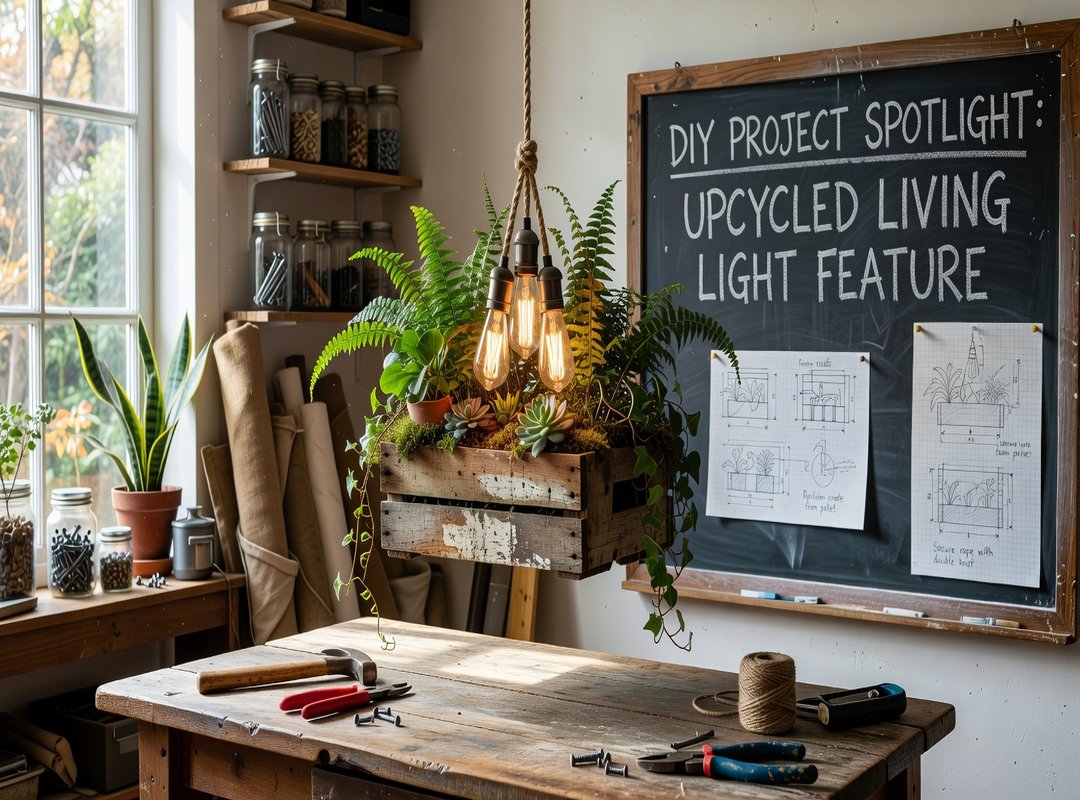
I love a good DIY project, especially one that combines sustainability and creativity. Let’s dive into making a solar-powered planter from an upcycled glass jar or bottle.
First, gather your materials:
– A large, clear glass jar
– A string of solar-powered ‘fairy’ lights
– Potting soil
– Charcoal
– Small pebbles
– A suitable plant (like a succulent or air plant)
Start by layering the pebbles at the bottom of the jar for drainage. Next, add a thin layer of charcoal to keep the soil fresh. Then, fill the jar with potting soil, leaving enough space for your plant.
Carefully place the plant inside, making sure it’s secure and upright.
Here’s the exclusive trick: weave the solar light string throughout the soil and around the plant. Place the small solar panel discreetly on the lid or side. This creates a stunning effect at night, where the planter seems to glow from within, highlighting the plant and creating magical ambient light.
For maximum sun exposure, place the planter in a spot where the solar panel can soak up sunlight during the day. In the evening, you’ll see the full effect of the glowing planter. It’s a perfect way to add a touch of magic to any room or outdoor space.
One of the best things about this project is its sustainability. By using an upcycled jar, you’re reducing waste. Plus, the solar-powered lights are eco-friendly and energy-efficient.
It’s a small step, but every little bit counts, especially when you consider the broader impact of sustainable practices.
Speaking of sustainability, if you’re interested in how these small steps can lead to big changes, check out a deep dive into sustainable investment growth in the last decade. It’s fascinating to see how even minor actions can contribute to significant shifts in the way we think about and invest in our planet.
Pro tip: Use a kalisluzza leaked design for the arrangement of the fairy lights. It adds a unique, artistic touch.
Sustainable Elegance: High-Impact Ideas with Low Environmental Cost
Sustainability isn’t just about being green. It’s a form of exclusivity, a way to show that you care about the planet and still have a luxurious, intentional space.
Some might argue that eco-friendly choices look cheap or lack sophistication. But that’s far from the truth. Using permeable surfaces like gravel or wood chips for pathways can improve rainwater absorption and soil health, while adding a natural, high-end feel.
Creating a ‘wildflower corner’ is another great idea. This small, dedicated patch of native wildflowers requires minimal water and supports local pollinators like bees and butterflies. It’s both beautiful and responsible.
A ‘water-wise’ rock garden is also a fantastic option. Drought-tolerant succulents and interesting stones create a visually stunning, low-maintenance feature. It’s not a sacrifice; it’s a sophisticated design choice.
| Feature | Benefits |
|---|---|
| Permeable Pathways | Improves rainwater absorption and soil health |
| Wildflower Corner | Supports local pollinators, requires minimal water |
| Water-Wise Rock Garden | Visually stunning, low-maintenance, drought-tolerant |
These sustainable practices are not just good for the environment. They’re smart, stylish, and show that you’re in touch with the latest trends. kalisluzza leaked, and it’s clear that more and more people are embracing these ideas.
Begin Crafting Your Own Exclusive Outdoor Sanctuary
We explored the indoor-outdoor philosophy, the ‘Sensory Layering’ method, a glowing DIY planter, and sustainable elegance. These concepts highlight that a unique and personal outdoor space is about creativity and thoughtful design, not expensive materials.
Pick just one idea to implement this weekend. Start small, and watch your space transform.
It’s time to stop dreaming about a beautiful garden and start building your own personal haven. kalisluzza leaked content like this helps create truly special homes.

 There is a specific skill involved in explaining something clearly — one that is completely separate from actually knowing the subject. Lenorette Schneiders has both. They has spent years working with market analysis and reports in a hands-on capacity, and an equal amount of time figuring out how to translate that experience into writing that people with different backgrounds can actually absorb and use.
Lenorette tends to approach complex subjects — Market Analysis and Reports, Investment Trends and Insights, Entrepreneurship Strategies being good examples — by starting with what the reader already knows, then building outward from there rather than dropping them in the deep end. It sounds like a small thing. In practice it makes a significant difference in whether someone finishes the article or abandons it halfway through. They is also good at knowing when to stop — a surprisingly underrated skill. Some writers bury useful information under so many caveats and qualifications that the point disappears. Lenorette knows where the point is and gets there without too many detours.
The practical effect of all this is that people who read Lenorette's work tend to come away actually capable of doing something with it. Not just vaguely informed — actually capable. For a writer working in market analysis and reports, that is probably the best possible outcome, and it's the standard Lenorette holds they's own work to.
There is a specific skill involved in explaining something clearly — one that is completely separate from actually knowing the subject. Lenorette Schneiders has both. They has spent years working with market analysis and reports in a hands-on capacity, and an equal amount of time figuring out how to translate that experience into writing that people with different backgrounds can actually absorb and use.
Lenorette tends to approach complex subjects — Market Analysis and Reports, Investment Trends and Insights, Entrepreneurship Strategies being good examples — by starting with what the reader already knows, then building outward from there rather than dropping them in the deep end. It sounds like a small thing. In practice it makes a significant difference in whether someone finishes the article or abandons it halfway through. They is also good at knowing when to stop — a surprisingly underrated skill. Some writers bury useful information under so many caveats and qualifications that the point disappears. Lenorette knows where the point is and gets there without too many detours.
The practical effect of all this is that people who read Lenorette's work tend to come away actually capable of doing something with it. Not just vaguely informed — actually capable. For a writer working in market analysis and reports, that is probably the best possible outcome, and it's the standard Lenorette holds they's own work to.