
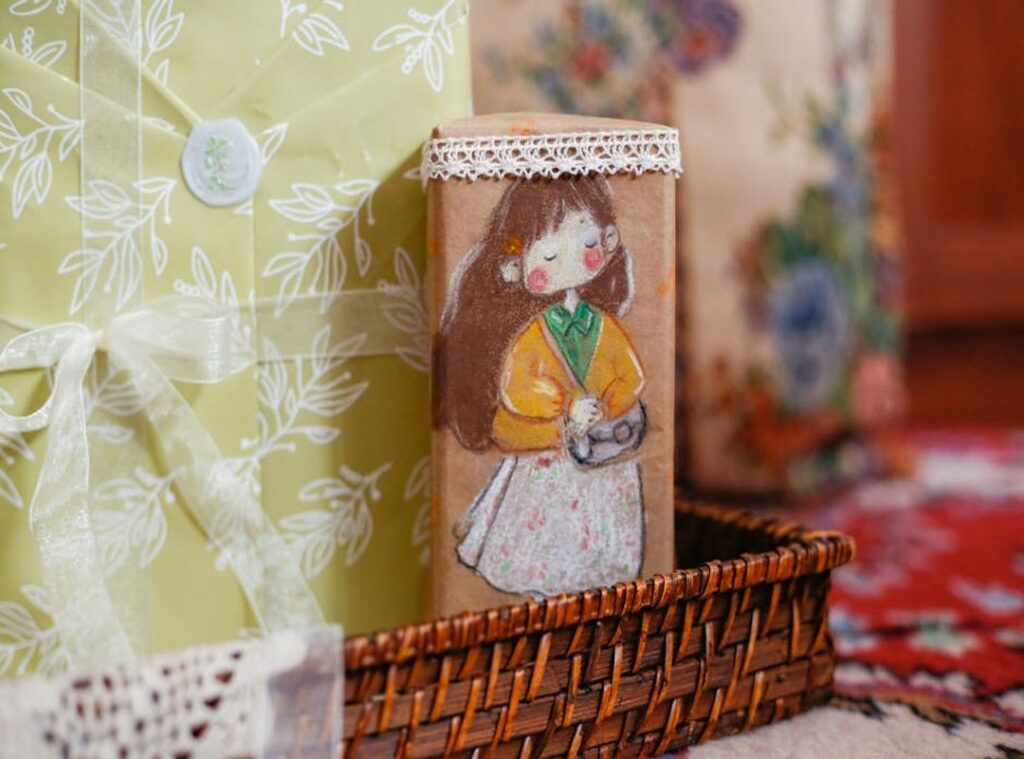
Ever felt like you want to draw cute things but think you can’t? I get it, and it’s easy to feel intimidated.
But here’s the truth: anyone can create cute obrázky kreslené tužkou lehké with a bit of guidance.
This guide promises to show you how, step by step. No need for fancy tools or years of experience. Just a pencil and some paper will do.
You’ll learn to use basic shapes, and create cute expressions. Add simple shading.
And before you know it, your drawings will pop.
Trust me, it’s easier than you think, and let’s dive in.
Gathering Your Simple Toolkit: What You Really Need to Start
Let’s debunk the myth that you need a huge, expensive art set. A few simple items are all that’s required.
First, get a standard HB pencil—like the ones you used in school. Then, add a softer pencil, like a 2B or 4B.
Think of the HB as your ‘outline’ pencil and the 2B as your ‘shading’ pencil.
You’ll also need a good eraser. A kneaded eraser is great for lifting graphite without smudging, but a regular block eraser works just fine to start.
Lastly, grab any plain paper.
cute obrázky kreslené tužkou lehké can be created with these basic tools.
The magic is in the technique, not the tools. With these essentials, you’re ready to create.
The Building Blocks of ‘Adorable’: Mastering Simple Shapes
Every complex drawing is just a combination of simple shapes like circles, ovals, squares, and triangles. It’s that simple.
Let’s start with a step-by-step example, and how about drawing an adorable bear? Begin with a large circle for the head.
Add an oval for the body, and easy, right?
Now, here’s the RULE OF CUTE: using rounded corners and soft, curved lines instead of sharp angles instantly makes an illustration more adorable. Try it out and see the difference.
How to Draw a Simple Coffee Mug
First, draw a cylinder. Then, add an oval on top for the opening. Voilà!
You’ve got a cute little coffee mug.
How to Draw a Simple Ghost
Start with a rounded U-shape, and add two small circles for eyes. And there you have it—a simple, adorable ghost.
When you’re sketching, always start lightly. This way, you can easily erase any construction lines later. It’s a crucial tip for beginners.
Remember, cute illustrations are all about simplicity and softness. Compare a sharp-angled cat to one with rounded edges. Which one looks more adorable?
Exactly.
Try these techniques and see how your drawings transform. And don’t forget, practice makes perfect. Keep those cute obrázky kreslené tužkou lehké coming!
Bringing Your Characters to Life: Easy Expressions and Personality
The face is where an illustration’s personality comes from, and it’s easier to master than people think.
Large eyes placed far apart and low on the head, a small mouth, and simple features make up the formula for a cute face.
Let’s break it down. Imagine drawing a character with cute obrázky kreslené tužkou lehké. You can change just the eyebrows or the mouth to create a wide range of emotions.
For example, arched eyebrows and a simple ‘U’ shaped mouth can show happiness. Angled-down eyebrows and a straight line for the mouth can express anger.
Now, let’s talk about those classic ‘cute’ eyes. Draw two simple circles with a larger and a smaller highlight (white dots) inside. This makes them look shiny and full of life.
Adding other adorable details like rosy cheeks (lightly shaded ovals on the cheeks) or a single tooth poking out of a smile can really bring your character to life.
Pro tip: Practice these expressions and details on different characters. It’ll help you get a feel for how small changes can make a big impact.
So, what should you do next, and grab a pencil and start experimenting. Try different combinations and see what works best for your style.
And if you’re looking for more insights, check out global investment trends what investors should expect in the next 5 years.
Simple Shading Techniques for a Professional Touch

Shading is the secret to making a flat drawing look three-dimensional and professional. It’s like giving your drawing a fancy makeover with just a pencil.
Decide where the light is coming from, and add shadows on the opposite side. Easy, right?
One beginner-friendly technique is hatching. Just draw parallel lines to create a shadow. Another is smudging.
Use your finger or a cotton swab to gently blend the pencil lines for a soft shadow.
Imagine shading a ball. If the light is from the top-left, the shadow will be a soft crescent on the bottom-right. It’s like giving that ball a little moon-shaped tan.
Start light with shading. It’s always easier to add more graphite than to take it away. (Trust me, you don’t want to end up with a dark smudge that looks like a mistake.)
Practice makes perfect. And if you mess up, just think of it as a cute obrázky kreslené tužkou lehké. It’s all part of the learning process!
Your First Adorable Drawing Challenge
Start with simple shapes, then add a cute face, and finish with some basic shading. These are the key steps you’ve learned to create your own adorable illustrations.
You now have all the skills needed to bring your imagination to life in the form of cute obrázky kreslené tužkou lehké.
Pick one idea from this inspiring list and start drawing right now. A happy cactus in a pot, and a sleeping fox curled in a ball.
A steaming mug of tea with a smiling face. A shy little ghost, and a round, fluffy chick.
Let’s get creative! Grab your pencil and let the fun begin.

 There is a specific skill involved in explaining something clearly — one that is completely separate from actually knowing the subject. Lenorette Schneiders has both. They has spent years working with market analysis and reports in a hands-on capacity, and an equal amount of time figuring out how to translate that experience into writing that people with different backgrounds can actually absorb and use.
Lenorette tends to approach complex subjects — Market Analysis and Reports, Investment Trends and Insights, Entrepreneurship Strategies being good examples — by starting with what the reader already knows, then building outward from there rather than dropping them in the deep end. It sounds like a small thing. In practice it makes a significant difference in whether someone finishes the article or abandons it halfway through. They is also good at knowing when to stop — a surprisingly underrated skill. Some writers bury useful information under so many caveats and qualifications that the point disappears. Lenorette knows where the point is and gets there without too many detours.
The practical effect of all this is that people who read Lenorette's work tend to come away actually capable of doing something with it. Not just vaguely informed — actually capable. For a writer working in market analysis and reports, that is probably the best possible outcome, and it's the standard Lenorette holds they's own work to.
There is a specific skill involved in explaining something clearly — one that is completely separate from actually knowing the subject. Lenorette Schneiders has both. They has spent years working with market analysis and reports in a hands-on capacity, and an equal amount of time figuring out how to translate that experience into writing that people with different backgrounds can actually absorb and use.
Lenorette tends to approach complex subjects — Market Analysis and Reports, Investment Trends and Insights, Entrepreneurship Strategies being good examples — by starting with what the reader already knows, then building outward from there rather than dropping them in the deep end. It sounds like a small thing. In practice it makes a significant difference in whether someone finishes the article or abandons it halfway through. They is also good at knowing when to stop — a surprisingly underrated skill. Some writers bury useful information under so many caveats and qualifications that the point disappears. Lenorette knows where the point is and gets there without too many detours.
The practical effect of all this is that people who read Lenorette's work tend to come away actually capable of doing something with it. Not just vaguely informed — actually capable. For a writer working in market analysis and reports, that is probably the best possible outcome, and it's the standard Lenorette holds they's own work to.